
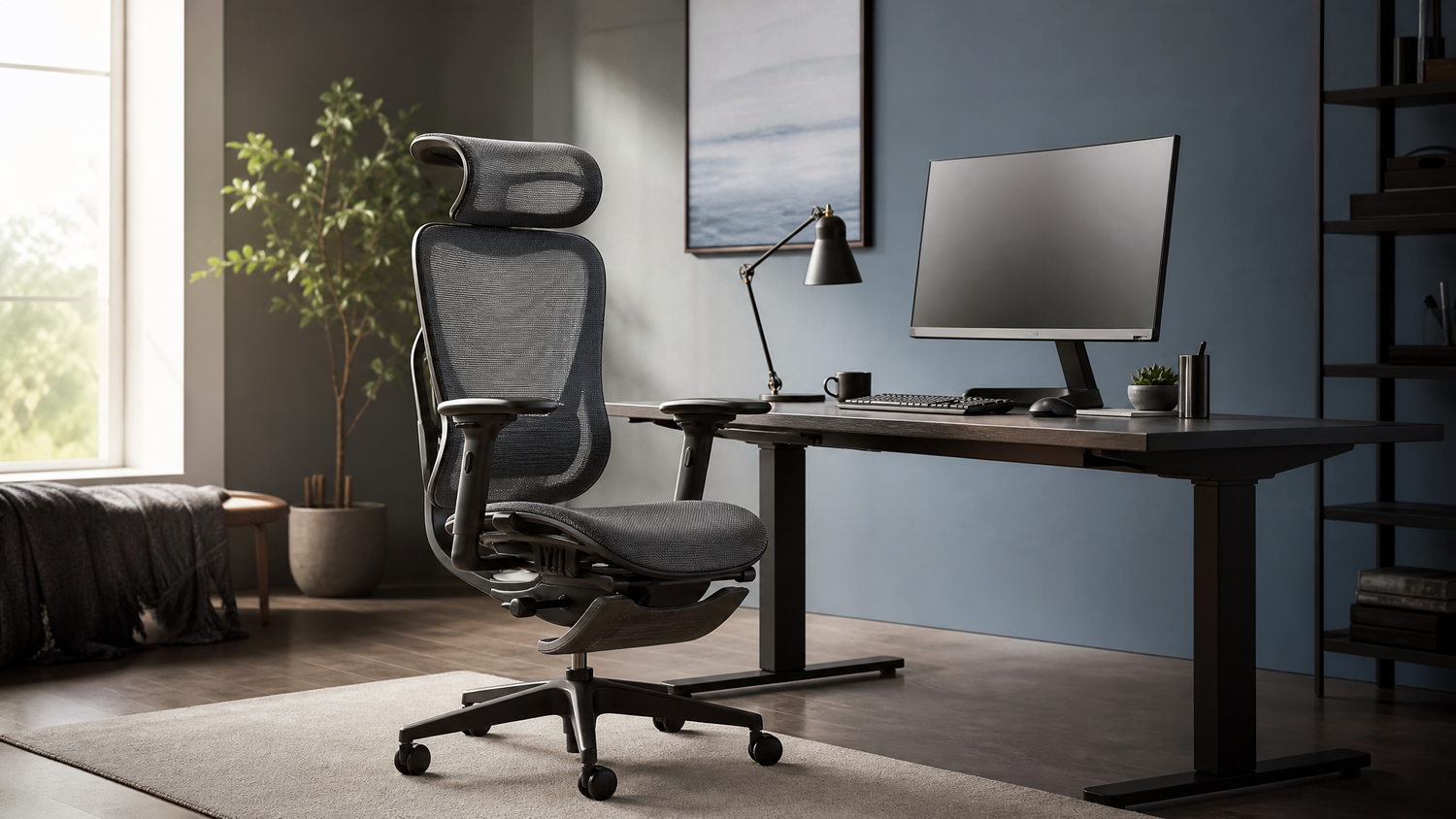
Long coding sessions have a way of revealing every weak point in a desk setup. The kitchen chair that felt fine for dinner becomes a torture device by hour three. Shoulders creep up, the lower back starts to ache, and you find yourself propping a cushion behind you just to get through the next commit. That constant fidgeting and repositioning is often a chair crying out for retirement.
A good ergonomic chair can’t replace regular movement, but it can reshape how your body feels after a day of deep work. The models in this guide are pulled from editorial roundups by Wired and The Strategist, tested for all-day use, and recommended by chiropractors who see the damage that poor seating can do. Many are available in the UK, and we’ll highlight one brand-new option from a UK dealer.
Why Your Chair Matters for Long Hours
The spine isn’t designed for locked-in-place sitting. Dr. Scott Bautch, a chiropractor with the American Chiropractic Association’s Council on Occupational Health, has explained that prolonged sitting can slowly break down spinal structures, contributing to discomfort that radiates into the shoulders, neck, and hips. One-size-fits-all chairs only accelerate the problem: a seat depth that doesn’t match your thighs, lumbar support that hits the wrong spot, or armrests too high will have you twisting and slumping all day.
Coders and desk workers often feel this as a trifecta of back, shoulder, and wrist pain, especially when working from makeshift setups. A chair that constantly prompts you to shift position isn’t doing its job. The chairs ahead—curated with help from chiropractic experts and editorial testers—are picked because they pay attention to how real bodies sit for hours at a time.
What to Look for in an Ergonomic Chair
A truly supportive chair adapts to you. Seat height lets your feet plant flat, seat depth keeps your thighs supported without pinching behind the knees, and adjustable lumbar support fills the gap where your lower back naturally curves. Recline tension matters too; a backrest that’s too stiff forces you to lean forward, while one that’s too loose offers no resistance. Dr. Marc Agulnick of NYU Winthrop Hospital points out that seat depth is a frequent culprit in office-chair pain—a seat too deep can press into the calves, pushing you into a perching position that strains the entire back.
Weight capacity and seat dimensions are not just about durability. A chair with a 350-pound limit, like the Herman Miller Aeron in medium/large, tends to have a wider and deeper seat than one capped at 275 pounds. Multiple size options signal that the manufacturer knows one shell can’t possibly fit every frame. If you’re tall, a seat that’s too short will leave your hamstrings dangling; if you’re petite, a deep seat will press into your knees.
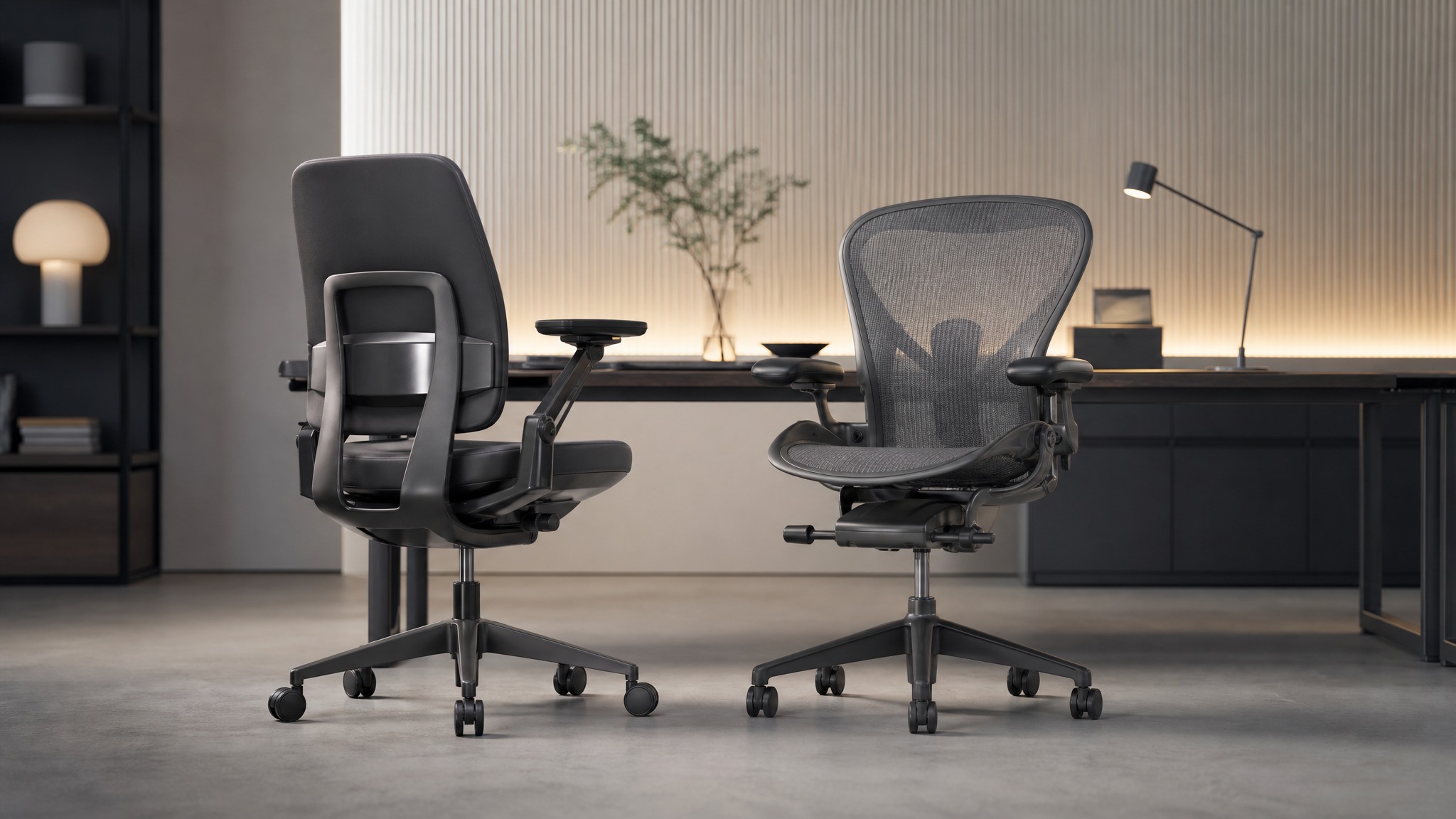
Breathability often splits the room. All-mesh chairs like the Aeron keep air moving, reducing that sweaty-back feeling mid-Zoom. All-foam chairs, such as the Steelcase Gesture, feel plush but hold onto heat. Fabric upholstery can be a pet-hair magnet—something to weigh if your work companion leaves a trail on every surface. Chiropractors like Dr. Bautch also urge active sitting: engaging trunk muscles with tools like the Gaiam balance ball chair can help, but those are short-term supplements, not all-day solutions.
Best Ergonomic Chairs for Long Hours
The chairs below come from rigorous testing by editorial teams and chiropractor-endorsed lists. They vary in style, size support, and features, but each is designed to carry you through long work sprints without constant readjustment. The table gives a quick side-by-side, and the sections that follow dig into what makes each one stand out.
| Product | Best For | Source-Reported Strength | Weight Capacity | Seat Depth |
|---|---|---|---|---|
| Herman Miller Aeron Chair | All-day breathable support | Adjustable lumbar, durable mesh | 350 lbs (medium/large) | — |
| Herman Miller Sayl Chair | Design-forward with flexible back | Flexible spinal support | 350 lbs | — |
| Razer Iskur V2 NewGen | Gaming chair with built-in lumbar for coding | Adjustable lumbar mechanism tested for comfort | — | — |
| Vari Align | Adjustable backrest for posture correction | Promotes upright alignment for fidgeters | — | — |
| LiberNovo Omni Dynamic Ergonomic Chair – Midnight Black – 48cm Seat Depth | UK-available dynamic lumbar support | Lumbar support adapts to movement | — | 48 cm |
Herman Miller Aeron Chair
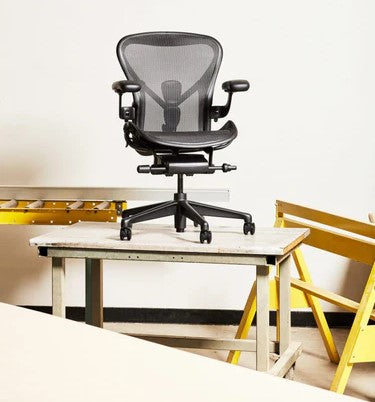
Wired names the Aeron its top pick largely because of the full-mesh seat and back. That mesh means you’re sitting in air, which is a subtle mercy when the afternoon heat builds. The lumbar pad slides up and down to meet the small of your back, and the chair’s sturdy build is backed by a 350-pound capacity in the medium and large sizes (300 pounds for the small size). Three size options let you match the chair’s width and depth to your frame—something the single-size Branch Verve chair, capped at 275 pounds, can’t offer. If you’ve ever felt a chair clamp your thighs or leave a gap at your lower spine, the sizing flexibility here can feel like a genuine upgrade.
Herman Miller Sayl Chair
The Sayl doesn’t look like the “Dot Com Throne” that Wired’s team calls the Aeron, and that’s the point. Its suspension back, inspired by bridge cables, flexes as you lean, giving a different kind of spinal support—less static, more responsive. The chair still supports up to 350 pounds, and its design may slip more neatly into a home office that doubles as a living space. For someone who wants ergonomic adjustability without the corporate silhouette, the Sayl’s modern lines and range of colourways make it feel personal rather than institutional.
Razer Iskur V2 NewGen
The Iskur V2 NewGen is a gaming chair that Wired’s testers found genuinely useful for long desk sessions, not just play. Its built-in lumbar support pops outward when you lean forward—a common posture for coders peering at a screen. The mechanism gives your lower back a physical cue to stay upright without you having to think about it. Independent long-term durability data isn’t available yet, but the initial build quality impressed the testing team enough to include it in their roundup. If you’re coming from a cheap gaming chair that left your back sore, this is a notable step forward.
Vari Align
The Vari Align’s defining feature is a backrest that adjusts separately from the seat, nudging you toward a more upright posture. The Strategist highlights it for ergonomic design that suits chronic fidgeters—people who can’t stop shifting and then slumping. Because the backrest tilt works independently, you can set it just a bit forward, and the chair gently resists when you try to collapse into a slouch. It’s not aggressive, but it is constant, and that can make a difference over a long coding session.
LiberNovo Omni Dynamic Ergonomic Chair – Midnight Black – 48cm Seat Depth
The LiberNovo Omni Dynamic Ergonomic Chair is a brand-new option from a UK dealer, and one of its listed variants specifies a 48 cm seat depth—a detail that taller users or those who prefer a deeper seat may find appealing. The chair’s dynamic lumbar support is designed to adjust as you lean and twist, which could keep your lower back supported during those micro-movements without manual fiddling. Because this model hasn’t yet appeared in independent editorial tests, the information here is drawn directly from the UK stockist’s specifications. If dynamic lumbar support and a defined seat depth are priorities, it’s worth a closer look.
How to Set Up Your Chair for Deep Work
Even the most refined chair won’t help much if it’s set up like deck furniture. Start with seat height: your feet should rest flat on the floor, thighs roughly parallel. If the chair’s lowest setting still leaves your heels dangling, a footrest can close the gap. Then adjust seat depth so there’s two to three fingers of clearance between the front edge and the back of your knees—any less and you’ll be perching; any more and you’ll lean forward to relieve knee pressure.
Armrests are next. They should let your elbows fall at a 90-degree angle with your shoulders relaxed. Too high and you’ll unconsciously shrug, knitting tension into your neck and upper back. Then align your monitor so the top of the screen is at eye level, which keeps your neck in neutral.
Static sitting is the enemy. Dr. Bautch recommends micro-breaks every 30 minutes: stand, stretch, roll your shoulders. Tools like the Gaiam balance disc can engage your trunk when placed on a chair for short periods, but they aren’t full-day replacements—use them in 20-minute bursts, not as a permanent add-on. A simple checklist for deep work: chair adjusted to your body, monitor at eye height, keyboard and mouse within reach without leaning, feet supported. With these pieces aligned, you’re less likely to break position to compensate for discomfort.
Making the Decision: Which Chair Is Right for You?
If you run hot or your workspace lacks air circulation, the Aeron’s mesh can keep you cooler than foam-heavy alternatives like the Steelcase Gesture. If you prefer a softer seat and a more sculptural look, the Sayl’s suspension back may feel more inviting. The Razer Iskur brings a built-in lumbar that coders leaning into a monitor will appreciate, while the Vari Align rewards those who fidget—its backrest gives a constant, gentle reminder to sit taller. And the new LiberNovo gives UK buyers an explicit seat-depth specification that taller bodies often need.
Fit is deeply personal. The Aeron’s three sizes mean a petite frame isn’t adrift in a wide seat, and a broader build isn’t squeezed. If you can visit a showroom, sitting in a chair for ten minutes tells you more than any spec sheet. When you’re torn between models, revisit the comparison table above—it’s there for quick side-by-side scanning as you weigh mesh vs. foam, size options, and lumbar style.

Leave a comment
This site is protected by hCaptcha and the hCaptcha Privacy Policy and Terms of Service apply.